By Heidi Lewis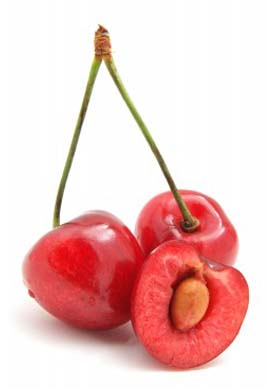
You know what sweet summer cherries like? They like winter. That’s when they catch up on a little shut-eye and wake up refreshed. Many stone fruits and pomes need the chill hours to produce a good season of leaf, buds, and fruit. But man, when they’re ready—bada boom! Cherry season is here.
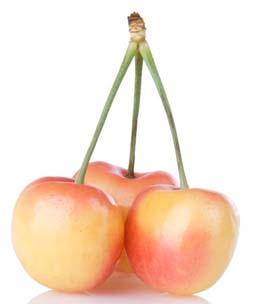
First out of the gate are dark red Bing cherries, with yellow-red lava lamp–colored Rainers on their heels. Then come Brooks, a hybrid of the tried-and-true WWII-era Burlat and the groovy Rainier. Sequoias are a new up and comer. Black Tartarians are the darkest, and Gold cherries are the lightest, having no red pigment at all. There’s even a variety of cherry called the Bada Bing (I kid you not). But once you start seeing Sweethearts, you’re in the home stretch of the season. Of course, each region differs, and there are unpredictable factors to consider. Since they’re so very delectable and tender, cherries can become the victims of rain’s whim and birds’ greed.
If your cherries make it past the eaten-out-of-hand category and you have enough to cook with, there are many scrumptious ways to enjoy them. Dessert-first ideas are the classic clafouti, crisp, or tart. Simple crusts, with little sugar, let the cherry flavor shine. The sweetness and acidity combine well when cooked with fatty meats or root veggies. Pulse chopped cherries with Neufchatel, ricotta, or other soft cheese for a delicious spread.
 Red cherries are in the superfruit category—they are packed with antioxidants—and tart cherries have 19 times more beta carotene than blueberries or strawberries (and those guys ain’t too shabby). Cherry juice is a well-respected supplement for athletes and people who have arthritis because of its anti-inflammatory component anthocyanin.
On the other hand, classic jarred maraschino cherries are, as Tony Soprano used to say, “not too good for your health.” Neon red (or a different color) maraschinos are real cherries made unreal by brining them in sulfur dioxide, calcium chloride, food coloring, and corn syrup. Many local purveyors are making all natural alternatives.
Storage: Unlike other stone fruit, cherries are picked ripe. They may be left on the counter for a couple of days out of direct sunlight or refrigerated in a plastic bag for several days. Do not wash until ready to eat, as excess moisture during storage can cause them to meet an untimely demise.