
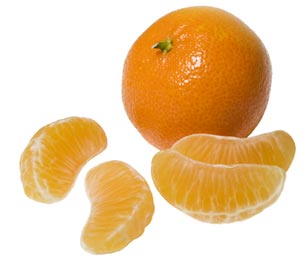
Unlike thugs with hearts of stone and irreconcilable nicknames like Bugsy, Sonny, or Baby Face, Algerian mandarins are as sweet as their pseudonyms. These small and tasty fruits are often called “Algerian clementines” or just “clementines” in reference to the monk Brother Clément, who some say was the first to grow them in the garden of an orphanage in Algeria.
Algerian mandarins are typically small, seedless, and easy to peel, making them a favorite snack of school kids and office workers alike. Odds are you’re also a clementine fan—so let’s take a closer look at their history, health benefits, and how to pick the best ones at the grocery store or farmers market.
According to the University of California Riverside, Algerian mandarins are a natural hybrid. That means they showed up when two different citrus trees spontaneously cross-pollinated, creating a brand-new fruit.
The Algerian mandarin’s parents are still a topic of debate. But the botanist who first laid eyes on it in Brother Clément’s orchard in 1892 claimed it was a cross between the common Mediterranean mandarin (aka the Willowleaf mandarin) and the Granitos sour orange.
Today, you can find clementines growing in Africa, Asia, Europe, and North America. In California, they’re popular during the Christmas season and reach peak ripeness from October through December.
As with many fruit varieties, the Algerian mandarin’s exact origins are murky. There are several stories about where it came from, but The French Tourism Board credits Louis Charles Trabut, a French botanist, with discovering it and naming it the clementine.
“In 1892, it was in Algeria, near Oran, that botanist Louis Charles Trabut observed the first hybrid plants in the nursery of a monk named Clément,” the board writes. “He christened the fruit in his honour and devoted an article to its discovery in 1902 in the Revue Horticole Française.”
From there, clementines spread to Europe and around the world.
Algerian mandarins are nutritious fruits with about 3 grams of dietary fiber and 1 gram of protein in every serving. Plus, they offer 71.9 milligrams of Vitamin C, 40 milligrams of calcium, and 260 milligrams of potassium. Since they’re so small, one serving includes two mandarins.
While Algerian mandarins are fairly high in carbs and natural sugars, they’re free from fat, sodium, and cholesterol.
Algerian mandarins are a sweet and easy snack with an impressive array of health benefits. Here are just a few of the things these tiny citrus powerhouses can help your body do.
Algerian mandarins have just under 70 calories per serving. Their natural sweetness will give you an energy boost, and they’re a healthy alternative to processed snacks with added sugar.
Algerian mandarins only contain a little bit of protein, but it’s enough to help repair and grow your muscles. Try eating them as a post-workout treat.
The dietary fiber in clementines can help prevent issues like constipation and keep you feeling full and satisfied.
The calcium in Algerian mandarins will help keep your bones healthy and strong.
Algerian mandarins don’t contain any fat (including saturated fat and trans fat) or cholesterol. That means they’re a heart-healthy snack.
The Vitamin C in Algerian mandarins will keep your immune system running smoothly. It’s also essential for healthy skin, and can even help you heal from cuts and scratches more quickly.
The potassium in Algerian mandarins can help balance your electrolytes, which are vital for proper nerve function and muscle contractions.
Algerian mandarins are best eaten out of hand as a sweet snack, but they also shine in the kitchen. Try peeling them and tossing their segments into salads for a splash of color or using their juice and zest to create vibrant dressings and marinades. They’re also perfect for baking, adding a sweet-tart twist to cakes, tarts, and muffins.
When you’re on the hunt for the perfect mandarins, keep these tips in mind to ensure you select the best ones:
Check for Damage: Avoid mandarins with signs of rot, punctures, and other major blemishes. Note the use of major here—small marks and imperfections are normal, and can even indicate tastier fruit.
Feel the Weight: Pick up the mandarins and go for those that feel heavier for their size. The heavier they are, the more juice they’re hiding inside! Steer clear of mandarins that feel too light, as they might not be as juicy.
Examine the Size: If you’re aiming for sweetness, opt for smaller mandarins. They tend to have a more concentrated flavor.
Check the Aroma: A ripe mandarin will emit a sweet citrus scent, signaling it’s ready to eat.
Following these steps will help you choose Algerian mandarins in their prime. Once you have them in hand, kick back, relax, and start peeling!
Absolutely! They’re great in salads and desserts, and their juice is a delicious natural sweetener for marinades and dressings.
Keep them in a cool, dry place and refrigerate them as needed to extend their freshness.
You can find Algerian mandarins for sale under their common name, clementines, at many grocery stores and farmer’s markets. If you’d like to have them and other farm-fresh fruits delivered to your door in peak season, check out fruit delivery options from The FruitGuys.