 Q: What is a GMO?
A: A GMO, or Genetically Modified Organism, has had its DNA altered via genetic engineering to make it more disease, pest, or chemical resistant, or to include desirable characteristics such as size, color, enhanced nutrition, or stability (shelf life).
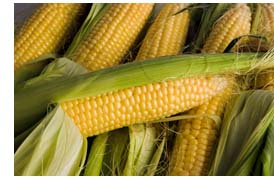
GMO produce might include things such as tomatoes that have been genetically altered to stay firm, or corn, soybean, or sugar beets modified to resist pests and/or weed killers or to be more drought tolerant. The FruitGuys never use GMO fruit, vegetables, or products. We supported Prop 37, the 2012 California ballot initiative that would have required GMO products to be labeled so consumers can choose for themselves.
Close to 90% of the corn, soybean, cotton, and sugar beet crops grown in the U.S. has been genetically modified. Corn, soybean, and sugar beet byproducts are used in many processed foods. GMO foods are required to be labeled in the European Union. Here, the U.S. Department of Agriculture, the Food and Drug Administration, and the Environmental Protection Agency are responsible for regulating the production and safety of GMO foods.
While the World Health Organization states “no effects on human health have been shown as a result of the consumption of such foods by the general population in the countries where they have been approved,” there have not been any studies addressing concerns about allergies and unknown long-term effects on human health. Some studies have shown potential harm to non-modified plants and animals, including unintended crossbreeding, pesticide resistance, and population changes.
Q: What is a hybrid?
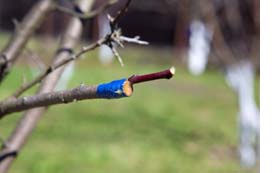
A: Hybrids, or hybrid fruits, such as an aprium (apricot crossed with a plum) or pluot (plum crossed with an apricot), is a variety made by naturally crossbreeding two separate varieties to create a new one. Hybridization can occur spontaneously in nature (through cross-pollination) or be practiced by farmers and gardeners. Pioneering botanist Luther Burbank developed more than 800 plant varieties using hybridization, grafting, and crossbreeding all-natural trait selection processes. 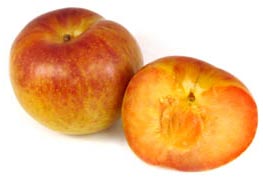 Hybridization is a form of crossbreeding where two different varieties are combined resulting in an offspring that combines characteristics of the parent varieties. Over successive generations, the desirable traits can be tailored. Burbank brought us the first plumcot—a cross between a plum and an apricot—and the Russet potato, among many other fruits, vegetables, and plants. In mammals, a hybrid example is the Labradoodle, produced by crossing a standard poodle and a Labrador retriever.
Contact us with any questions: info@fruitguys.com, 1-877-FRUIT-ME (877-378-4863).