

Whether you’re starting a corporate wellness program from scratch or updating your annual budget and benefits for 2027, it’s a good idea to keep an eye on the latest employee wellness trends. Why? Well, knowing what other employers are planning (and what employees are asking for) can help you stay competitive in hiring and retaining your team. A recent survey shows that the right benefits might even bring more employees back to the office.
According to CBRE’s 2026 Americas Office Occupier Sentiment Survey, a lack of amenities—including dining/retail, outdoor amenity spaces, and wellness—is the number-two blocker keeping employees from coming into the office. It ranks right behind inconvenient location.
“Wellness amenities can be as simple as a small gym in the building or a private wellness room or more high-end, such as spas, salons, or higher-end fitness options offering classes and personal training,” Stefan Weiss, CBRE’s head of U.S. office research, told The FruitGuys. On the dining side, offering healthy office snacks can have a positive impact on wellbeing.
The survey also found that colleague engagement is the top driver of office attendance—and that, too, can tie back to wellness benefits. Health-focused activities like fruit tastings, mini farmers markets, and buddy-based fitness challenges help bring employees together and turn the office from a daily grind destination into a place employees want to be.
“When the office becomes an experience (e.g., being able to easily dine at your favorite lunch spot or grab a high-quality latte with a colleague, etc.), it draws employees in and makes the workplace experience memorable and meaningful,” Weiss said.

To find out which corporate wellness trends experts expect to see in 2027, The FruitGuys spoke to Regan Gross, SHRM-SCP, an HR knowledge advisor with SHRM with over 20 years of experience in the HR space. These are a few of the trends and insights she pointed to.

With grocery prices rising and gas exceeding $5 per gallon in some places, it’s perhaps no surprise that The Penny Hoarder’s 2026 Financial Anxiety Barometer Report found only 14% of Americans feel in control of their finances. Nearly 1 in 10 also feel panicked about having the money to cover essentials. Financial wellness benefits can help ease that stress and maybe even improve retention by teaching employees how to stretch their paychecks.
“These programs matter because employees increasingly factor financial wellness support into their job satisfaction and decision to stay with their current employer,” Gross said.

Employee engagement is sitting at 20% in 2026, its lowest level since 2020. At the same time, 35% of workers surveyed in the 2026 NAMI-Ipsos Workplace Mental Health poll said their productivity at work suffered because of their mental health—and 83% say HR is “responsible for cultivating an environment of comfort with mental health at work.”
“Companies are increasingly recognizing the importance of mental health as foundational. Proactive mental health support focuses on prevention, addressing issues before they escalate into more severe problems,” Gross said.

GLP-1 coverage and support was one of our predicted employee wellness trends for 2026, but it looks like the heyday is over: Between 5% and 10% of employers who cover GLP-1s have said in surveys that they plan to drop the coverage in 2027, and others have done so already.
This is probably a cost issue. Gross said that SHRM data shows employers are turning to third-party pharmacy management programs instead of bundling prescription drug coverage with their health insurance to keep costs down.
Before you jump on this trend, you might want to survey your team to see how important prescription drug coverage is to them and whether they value GLP-1 coverage. Some companies that have cut the benefit are seeing real backlash from their teams. If you truly need to cut this coverage, consider other weight loss-related benefits to fill the gap.

We’re well into the AI era now, and HR is catching on. SHRM’s 2026 Employee Benefits Survey found that 33% of employers offered subscriptions to AI tools, up 17% from 2025, and that number is likely to continue rising.
These tools can be a great addition to your professional development benefits, helping employees get excited about AI and find ways to use it in their daily work (e.g., by automating repetitive tasks, which could reduce stress) or to explore their interests. Just be careful about recommending AI to employees for mental health, as a recent Stanford study found that AI therapy chatbots might do more harm than good.
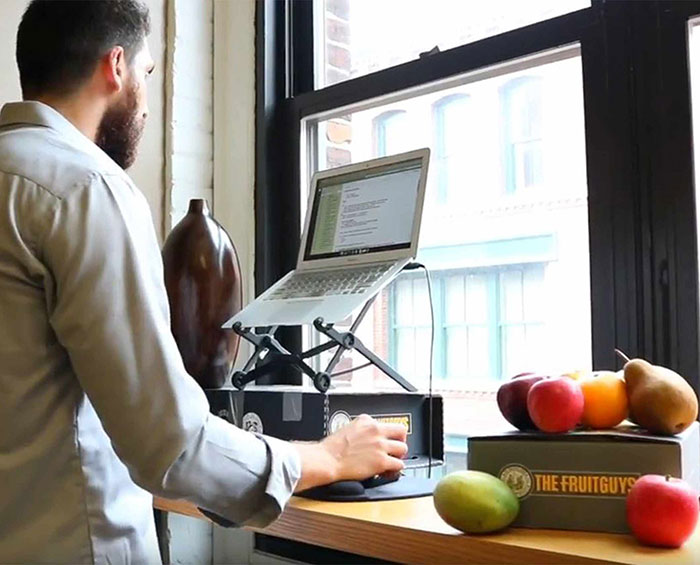
For the last few years, the workplace has settled into a pattern: About 65% of employees work in-office, 25% are hybrid, and 10% are remote, according to Owl Labs’ 2026 State of Hybrid Work report. HR teams are reacting to this new normal by either looking for benefits that are accessible to everyone or tailoring different plans to support remote and hybrid employees.
“Flexible work arrangements and remote-friendly wellness programs have become vital as employee routines vary greatly across hybrid work models. Such measures help better manage stress and achieve work-life balance,” Gross said.
Think about it: Your on-site gym is a pretty amazing perk for in-office workers, but remote employees can’t take advantage of it. A free or discounted gym membership can be a great option for them. Similarly, sending boxes of healthy snacks to remote workers’ homes can help them feel appreciated, just like free snacks do at the office.
The more informed you are on what employees want, the better your wellness program will be. And that really matters, because the right wellness benefits can be important drivers of:
They can also lead to healthier eating habits and better weight management. Altogether, these things can help improve your team’s health and happiness, your company culture, and your employer’s bottom line.
Ready to put your new knowledge of employee benefits trends to work?
If you’re creating a wellness program from scratch, check out our guide “How to Start a Workplace Wellness Program on a Budget” for step-by-step guidance and plenty of workplace wellness program ideas.
If you’re updating your budget for next year, head to “How to Create an Employee Wellness Program Budget for 2027” for a 12-point budget refresh checklist, a framework for evaluating new and current benefits, examples of how to tie wellness benefits to specific business goals, and more.