
Long before our team at The FruitGuys started wearing banana suits to encourage people to eat more of them in the office, the “1878 Domestic Cyclopaedia of Practical Information” instructed American consumers on how to peel and eat a ripe banana. Specifically, it gave tips on the famous Cavendish, also known as the sweet banana.
“It is eaten raw, either alone or cut in slices with sugar and cream, or wine and orange juice,” the guide read. “It is also roasted, fried or boiled, and is made into fritters, preserves, and marmalades… They are found in our markets from March to October.”
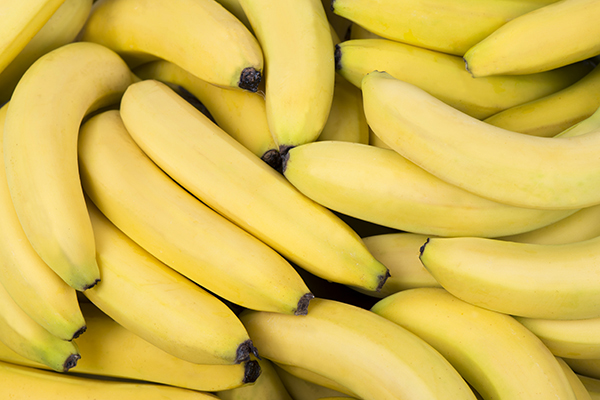
Back then, bananas were an elusive and expensive novelty. Today, they’re the most popular fruit consumed in America. Each person eats an average of 27 pounds of bananas per year! Here are some more banana fun facts, plus banana nutrition information, tips for spotting a ripe banana, and banana FAQs from our team of fruit experts.

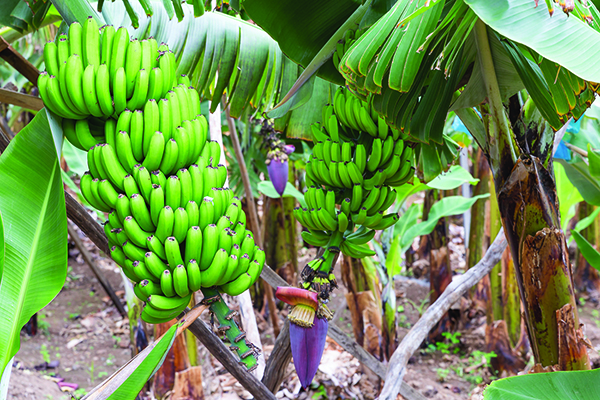
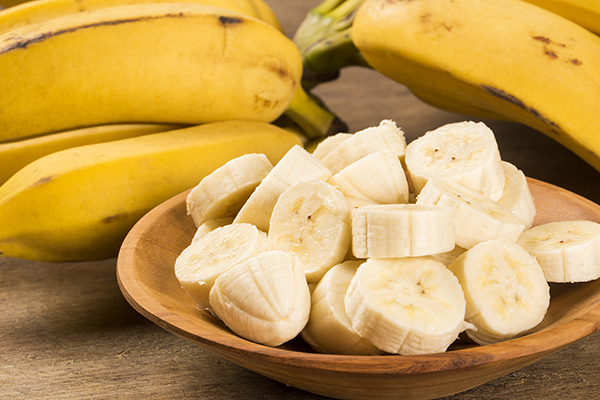
Bananas are a powerhouse of nutrients. They don’t contain any fat, cholesterol, or sodium. A medium-sized banana is only about 100 calories and contains 22% of your recommended daily value (RDV) of vitamin B6, 17% of vitamin C, 12% fiber, 12% of potassium (an essential body salt lost through sweating), and 10% manganese (needed for healthy bones). After a hard workout, try a banana and a glass of water instead of a sports drink. Bananas are a natural antacid, and are great for soothing upset stomachs and acid reflux.
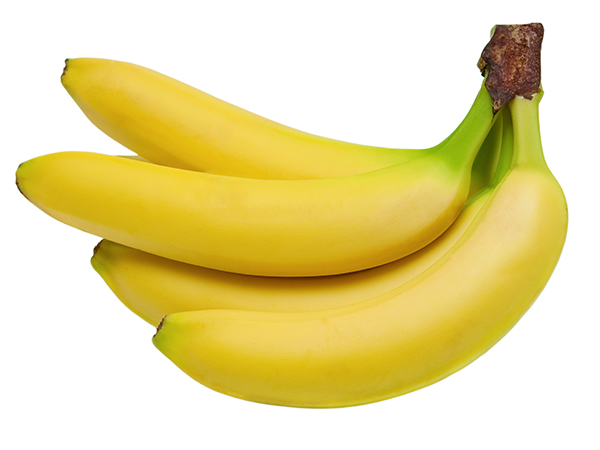
A banana has seven stages of ripening, from solid green to yellow mottled with brown. Some people may prefer the firm, greener stage, while others like the sweetness of a full yellow or even slightly brown. There are all kinds of banana ripeness charts out there, but in general, The FruitGuys considers stage five out of seven to be the perfect stage—yellow with green tips.
At this stage, the banana is sturdy enough for transport, yet will ripen in a couple of days to a full yellow. It is best not to put bananas in the refrigerator until they are fully ripe. Know that refrigeration will turn the skin black, even if the fruit holds at its previous ripeness.
Don’t know what to do with overripe bananas? Use them in a smoothie with nonfat yogurt, ice, and honey. Make banana bread. Peel, slice, and freeze for later use. You can even try one of our favorite banana desserts: a caramelized banana.
One of the best things about bananas is that they fit into almost any part of your workday. Rich in carbohydrates, fiber, potassium, and vitamin B6, they keep you energized and provide important nutrients whether you’re just getting to work or need a little pick-me-up. The “best” time to eat a banana depends on what you want to get out of it.
Bananas are a natural fit for breakfast, and they taste great paired with a source of protein like yogurt or nut butter. Their carbohydrates will help replenish your energy after an overnight fast, while their fiber supports healthy digestion and helps you stay satisfied until your next meal.
When afternoon hunger strikes, a banana is a naturally sweet alternative to processed snacks. The combination of carbohydrates and fiber provides quick energy while helping you feel full. The potassium also supports your muscle and nerve function, so it’s a smart snack for your health.
Bananas are a favorite pre- and post-workout snack because they’re portable, easy to digest, and rich in carbohydrates. Eating one before you exercise—either on your lunch break or after work—will help you fuel up. Enjoying one afterward can help your body’s energy reserves and support your recovery, especially when you pair it with a protein-rich snack like Greek yogurt, beef jerky, or a plant-based protein bar.
Bananas from The FruitGuys should arrive at your office yellow with green tips. If you like your fruit fully yellow or speckled with brown, try these easy tricks to speed up the ripening process. They’ll help you get your bananas perfectly soft and sweet more quickly.
A lot of fruits release ethylene gas as they ripen. You can speed up the ripening process by trapping that gas in with the bananas! All you need is a paper bag (not plastic—it holds too much moisture). Here’s how:
Pro Tip: This method works best for bananas that are already starting to turn yellow. Green bananas might need an extra day or two.
If you’re in a hurry and need soft bananas for baking, the oven can help, but with a catch. This method doesn’t truly ripen bananas (they won’t develop the same sweetness as naturally ripened ones), but it softens them enough for recipes like banana bread or muffins. You can use it to get yellow bananas to that perfect banana bread brown. Here’s how to do it:
With these tips, you can control your own banana destiny and make sure you get the perfect fruit for your needs every time.
If you want to get bananas delivered right to your office or home, The FruitGuys’ fruit mixes may be exactly what you’re looking for. We deliver a variety of farm-fresh fruits to workplaces and families nationwide. For banana lovers, the rotating selection in our Harvest and Staples mixes includes bananas every single week! If you’re concerned about pesticides and sustainability, we have organic options for both mixes, too.
Here at The FruitGuys, we get a lot of questions from our customers about the bananas included in their fruit delivery boxes. These are some of the most popular ones, along with our answers.
1. What do the different banana colors mean?
As with many fruits, a banana’s color indicates how ripe it is. Solid green bananas are underripe, and as they ripen they slowly turn yellow, then yellow spotted with brown. Green bananas are firm and a little bitter, brown bananas are soft and sweet, and yellow bananas are right in the middle.
2. Why are my bananas green?
Our banana buyers and packers aim to deliver bananas at stage five of the seven-stage ripening process: yellow with green tips. However, factors like the weather and humidity in your area (and on the banana farm) can change the speed bananas ripen. If your area is cold and/or your office is air-conditioned, that may keep your bananas green longer.
3. Why are my bananas yellow?
If you don’t see the green tips on your bananas that are characteristic of stage five of the ripening process, warm temperatures or shipping delays might have ripened your bananas a bit. If your area is warm and/or you keep your office at a higher temperature, that can also speed up ripening and turn your bananas yellow more quickly.
4. Why do my bananas have brown spots?
Browning is a sign of ripeness and sweetness in bananas. To learn more about why your bananas might be ripening quickly, see our answer to the question above: “Why are my bananas yellow?” If you’re ever unhappy with the quality of the fruit we deliver, just reach out to customer service. We have a 100% satisfaction guarantee and will replace it or issue a credit immediately, with no hassle.
5. Can I pick the color of the bananas in my boxes?
You can request a specific banana color and our team will do our best to get your ideal bananas to you. However, we recommend letting our expert fruit buyers and packers choose your banana ripeness level. Bananas packed too green may not ripen before your next delivery, and bananas packed too yellow may not be good to eat when they arrive. Our team will pack your bananas strategically based on your region’s weather, humidity, shipping times, and more to ensure they arrive in the best condition possible.
6. How do I ripen my bananas?
To get a ripe banana quickly, place it in a paper bag with a few apples. Apples give off ethylene gas, and that will help speed up the banana’s ripening process.
7. How do I make my bananas last longer?
Whatever you do, don’t put your bananas in the fridge. That will turn their skin black, even though the fruit inside will still be good to eat. Instead, keep your bananas at room temperature and away from direct sunlight and heat sources like kitchen appliances.
8. Why aren’t my green bananas turning yellow?
If you keep your office temperature low, that might slow down the ripening process of your bananas. Try adding them to a bag with a few apples to speed things up. If your FruitGuys bananas still don’t ripen correctly, reach out to customer service and ask about our 100% satisfaction guarantee. We will replace your fruit or issue a credit right away.
9. Why aren’t my bananas local/grown in the U.S.?
You can find some bananas growing in places with weather similar to the tropics, like Georgia, Florida, Hawaii, and California. However, American-grown bananas are few and far between. To keep offices like yours supplied with bananas year-round, we rely on farms in Guatemala and Ecuador, which grow higher volumes of fruit. Remember, the average person eats an average of 27 pounds of bananas per year—that’s a lot!
10. What is the best way to store my bananas?
We recommend storing your bananas at room temperature, out of direct sunlight, and away from anything that might generate heat (like an oven, air fryer, or toaster). To ensure your bananas ripen slowly, you may also want to separate them from your other fruit. Fruits like apples give off ethylene gas, which can speed up the banana ripening process.
11. My bananas are bruised or damaged—what happened?
Bananas are surprisingly fragile, even though they’re protected by their peels. They’re easily damaged by extreme temperatures (cold and hot) and humidity. Rough handling during the shipping process can also jostle bananas against other fruits, causing bruises. If you’re ever unhappy with the quality of the fruit we deliver, just reach out to customer service. We have a 100% satisfaction guarantee and will replace it or issue a credit immediately, with no hassle.
12. Can I remove bananas from my box?
Both of our most popular fruit delivery boxes, the Harvest Mix and the Staples Mix, include bananas. If your employees aren’t banana lovers, you can contact customer service to request that we leave bananas out of your Harvest or Staples box (this will affect pricing), or consider switching to our banana-free Season’s Best Box instead. You can also order your team’s favorite seasonal fruits by the case.