
If you’re one of the more than 150 million people who have seen a post tagged #Fibermaxxing on social media, then you probably know two things:
The fibermaxxing trend is everywhere, but are those two things really true? And how do you follow a fibermaxxing diet, anyway? To find out, we spoke to two registered dietitians who have been giving diet advice for decades. They shared their expert advice for fibermaxxing the smart way at work and at home.
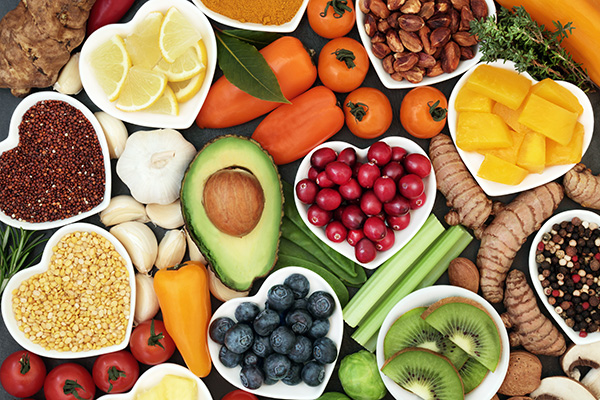
Fibermaxxing is an online trend that encourages people to eat more high-fiber foods and take fiber supplements so they can meet or exceed the recommended daily intake of dietary fiber (28–34 grams per day for men and 22–28 for women). It’s one of the rare social media nutrition trends that dietitians actually approve of!
Fibermaxxing has brought the health benefits of fiber into the spotlight and raised awareness about the mismatch between the amount of fiber we should eat and how much the average person actually gets. According to the United States Department of Agriculture, a full 90 percent of women and 97 percent of men don’t eat enough fiber.
“If we could just get there, we know that would be really good!” Ellen Lowre, Registered Dietitian Nutritionist (RDN) and Vice President of Nutrition, Wellness & Sustainability at CCL Hospitality Group, told The FruitGuys. “Fiber is associated with improved digestive health, heart health, blood sugar control, and satiety. It’s great for the gut microbiome, too.”
Barbara Ruhs, MS, RDN, told us, “As a dietitian with more than 25 years of experience, I’m thrilled to see fiber getting more attention, and I’m hopeful that the hype can translate into more consumption of whole, fresh, fiber-filled foods.”
But there’s more than one way to fibermax, and some methods are better than others. Here’s what you should know before you jump on the bandwagon.
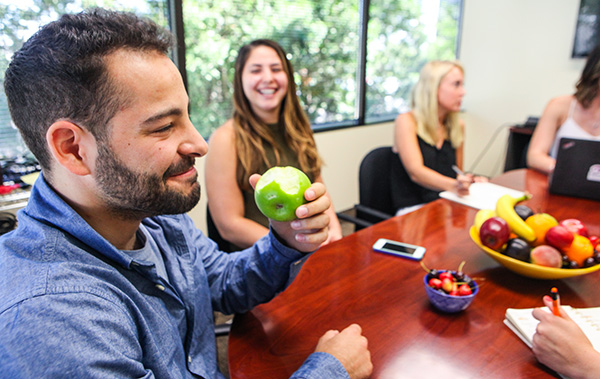
If you want to ramp up the fiber in your diet, consider this guidance from Lowre and Ruhs first.
According to Lowre and Ruhs, getting your fiber from whole foods like fresh fruits, vegetables, legumes, and whole grains is better for your body than getting it from supplements or fiber-enhanced processed foods. That’s because whole foods are full of other vital nutrients like vitamins and minerals, along with water and, often, both soluble and insoluble fiber.
Lowre suggested thinking of supplements and multivitamins as “like having insurance on your car.” It’s a helpful backup plan, but not as important as being a good driver—a.k.a. eating fiber-rich whole foods every day.
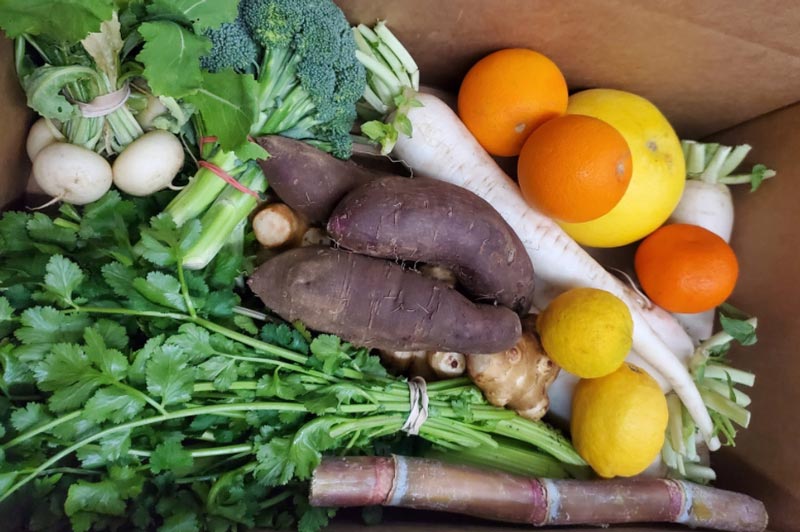
Eating more whole, high-fiber foods is the best way to add fiber to your diet. Here are a few that our experts recommend:
“From pears [to] apples, avocados, and broccoli, there are plenty of delicious fresh produce items to choose from that can add more fiber and flavor,” Ruhs said.
If you’re trying to follow a fibermaxxing diet at work, having high-fiber office snacks on hand can make a big difference. These ideas for easy desk snacks came straight from our dietitians.
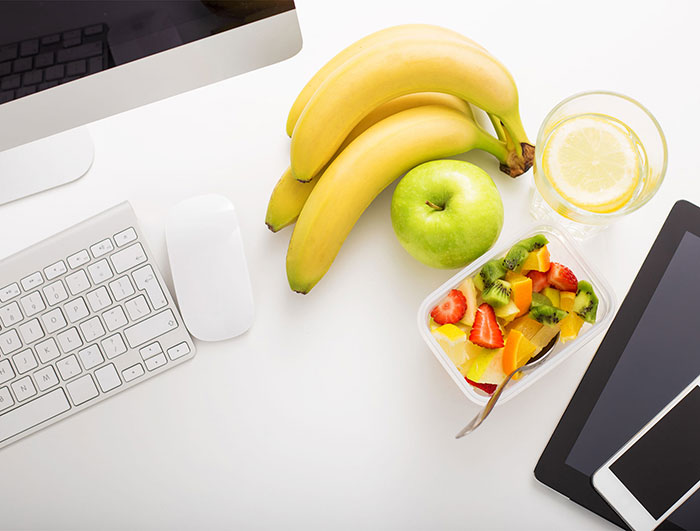
Snacks are a great way to sneak in fiber, but you can really maximize it during your meals—even the ones you make in the office break room! Here are some simple ideas.
Now that you have some ideas of what to eat, keep these tips in mind to help you maximize your fiber intake and feel good while you do it.
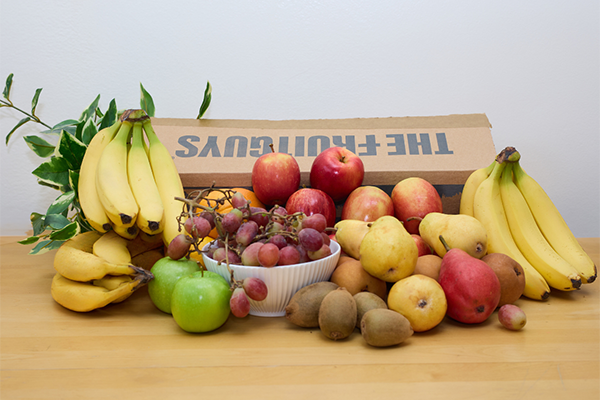
Snacking on fresh fruit and adding it to your meals is one of the easiest ways to eat more fiber at work, and it’s extra simple when you get the fruit delivered! The FruitGuys can bring fresh, seasonal fruit and high-fiber single-serving office snacks like nuts and granola right to your break room. Explore our seasonal fruit boxes and healthy office snacks to learn more.
1. What is a fibermaxxing diet?
A fibermaxxing diet is a diet high in fiber-rich foods, like fresh fruits and vegetables, beans, nuts, seeds, and whole grains.
2. Is fibermaxxing safe?
Yes, fibermaxxing is safe, although it’s best to aim for the recommended daily intake amount, not the 50–75 grams per day that some influencers promote as part of the fibermaxxing trend. It can be tricky to get that much fiber through healthy whole foods, and it could also cause stomach issues like bloating and constipation.
3. Is fibermaxxing a good idea for people taking GLP-1 medications?
Fibermaxxing to an extreme, trendy degree might not be a good idea for people taking GLP-1s, but eating fiber definitely is! Lowre said, “For folks on GLP-1s having digestive issues, eating whole foods and more fiber can help keep digestion and the GI tract in line.”
4. Is it possible to eat 50-75 grams of fiber per day without supplements?
Yes, but you have to be very strategic about the whole foods you eat to maximize your fiber intake at every meal. If you don’t want to spend a lot of time every day managing your diet, it’s more realistic to aim for the recommended minimum daily intake of 22 grams for women and 28 for men.
5. What’s the best fibermaxxing smoothie recipe?
You can make an easy fibermaxxing smoothie by combining high-fiber fruits like guava, berries, pears, and apples with nut butter, ground flax seed, pitted dates, spinach or kale, and oat milk. If the fruits aren’t frozen, add ice too!