
Bright, easy to peel, and reliably crowd-pleasing, the tangerine fruit is a staple in fruit bowls everywhere—and for good reason. Tangerines strike that perfect balance between sweet and tangy, feel special without being fussy, and are simple to eat on the go.
Beyond their convenience, tangerines have an interesting backstory, a range of varieties worth knowing, and a solid list of nutritional perks that make them a smart choice for wellness-minded workplaces. Let’s peel back the layers and take a closer look.

First things first: tangerines are a type of mandarin. There’s a common misconception that tangerines and mandarins are entirely different fruits. But in fact, all tangerines are a type of mandarin orange, part of the larger citrus family.
They’re typically smaller and less perfectly round than common oranges, with a reddish-orange peel and sweet, tender flesh that makes them especially popular for snacking. Their peels are rich with essential oils that give off a distinctive fragrance and are often used in aromatherapy.
Tangerines are best peeled and eaten by hand, but they’re also a versatile ingredient in salads, desserts, and savory main dishes.
The appeal of tangerines starts right at first bite. They’re known for their juicy flesh and sweet-yet-tangy flavor that varies from one variety to the next. Their thin, easy-to-peel skin and relatively small size make them ideal for grab-and-go eating or snacking over the office fruit bowl.
Miguel Robles, a produce buyer for The FruitGuys based in Southern California, said it’s no secret why customers love finding tangerines in their fruit mixes: “They’re easy to eat. Most are easy to peel, and they’re sweet.”
Mandarin and tangerine fruits trace their roots back thousands of years to Asia. But they didn’t reach the United States until the mid-19th century, when an Italian diplomat planted a mandarin tree at his residence in New Orleans.
The name “tangerine” likely comes from Tangier, Morocco, which exported the fruit to Europe. Over time, the term stuck, especially in the US, and became associated with mandarins that have deeper orange-red skin and a slightly bolder flavor.
Fast forward to today, and tangerines are a winter and spring citrus favorite. They’re a natural fit for your workplace snack selection during colder months when people crave bright flavors and immune-supporting foods.
Miguel explained that: “In California, mandarin season typically starts in late October/November, and depending on the weather, it can go into May.”
While The FruitGuys primarily sources mandarins and tangerines from California growers during their peak season, we also bring them in from further afield to meet the demand from offices and schools throughout the year.
“We do get imports from Chile and Peru when tangerines are no longer in season here in the US,” Miguel said.
Not all tangerines taste the same. Here’s a breakdown of some key varieties:
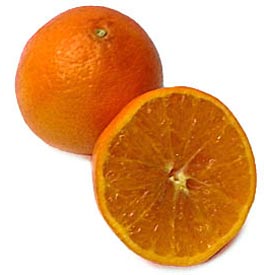
This tangerine originated in Thermal, California, in the 1980s as a hybrid of the Fortune and the Fremont mandarins. Daisy tangerines deliver a lively blend of sweetness and gentle acidity, creating a crisp, refreshing bite. Inside, the fruit is tender and juicy, while the loosely fitting peel makes them easy to enjoy anytime, anywhere.
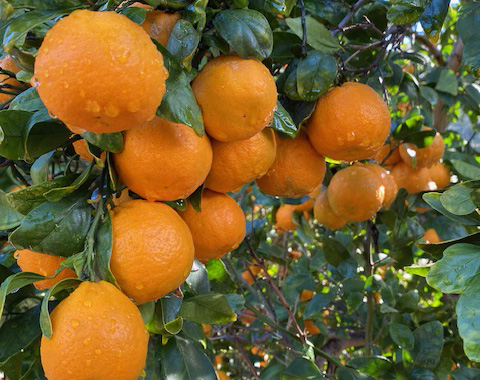
Prized for their exceptionally sweet, low-acid flavor with virtually no tartness, these are among the mildest and most dessert-like mandarins. They’re also small, with thin, easy-to-peel skin and typically seedless flesh. All of these qualities make them especially appealing when they arrive late in the citrus season.
Robles noted that FruitGuys enjoys a close relationship with a group called Ojai Pixie Packers—a collective of about 40 family farms in California’s Ojai Valley, “so we bring a lot of them in.”
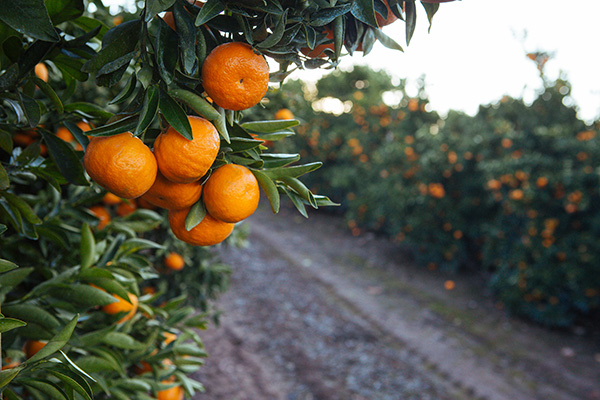
True to their name, Gold Nuggets are prized for their deep orange color and complex sweetness. Slightly bumpy on the outside, they taste very sweet, even late in the season. They’re typically seedless or contain very few seeds, which makes them a popular pick for eating out of hand.
When it comes to nutrition, the benefits of a tangerine go far beyond taste. Tangerines are naturally nutrient-dense while still feeling like a treat, which makes them ideal to stock in the break room when you’re trying to encourage healthier snacking habits.
Here’s what one medium tangerine brings to the table:
In short, the tangerine fruit is a small but mighty addition to your office fresh fruit program. It’s easy to enjoy, packed with nutritional value, and backed by a long history of satisfying snackers.
As Miguel put it: “I think mandarins are awesome. They’re pretty easy to peel, which means it’s easy to eat them at your desk, or anywhere. You don’t need a tool, and there’s no mess, just great taste.”