
Pomelos and grapefruits are the heavyweights of the citrus world. They’re both big, juicy, and delicious sliced in a salad or gobbled up as a snack. Because of their size, it’s easy to confuse them in your office fruit bowl. But never fear—your pomelo vs. grapefruit guide is here!
As a general rule, pomelos (aka pummelos) are larger and more egg-shaped, while grapefruits are smaller and rounder. They also have different origin stories, flavor profiles, and nutrition benefits. Here’s your crash course.
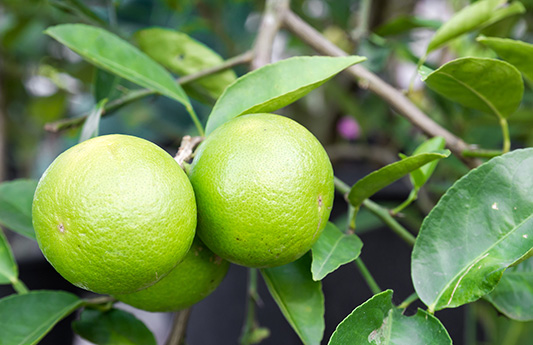
Pomelos and grapefruits may look like cousins, but the pomelo is actually a grapefruit parent! Pomelos are one of the five original citrus fruits that first appeared in Asia during the late Miocene epoch, about 6–8 million years ago.
The grapefruit arrived on the citrus scene much later. It’s a hybrid fruit, part pomelo and part sweet orange, that hails from the tropical island of Barbados in the Eastern Caribbean. It dates back to the 1700s. In more recent years, botanists have crossed pomelos and grapefruits to create hybrids like the Oro Blanco, which has some of the best traits of both.
If you’re debating pomelo vs. grapefruit, start by looking at the fruit’s shape and size, then peel it and peek inside.
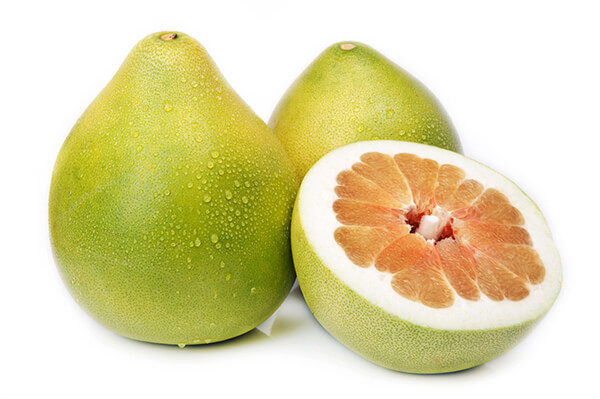
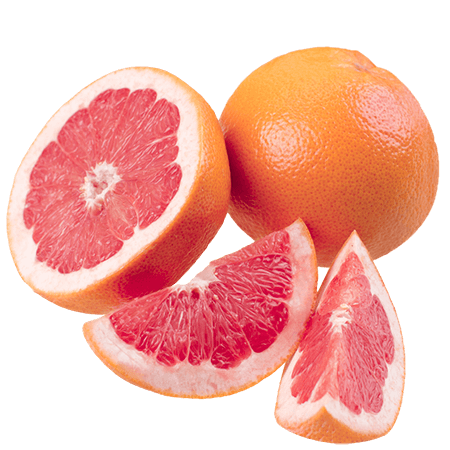
Grapefruits are a love-it-or-hate-it fruit because of their unique mix of tart, sweet, and bitter flavors. Pomelos, on the other hand, are crowd pleasers! They’re mellower, sweeter, and less juicy than their grapefruit descendants.
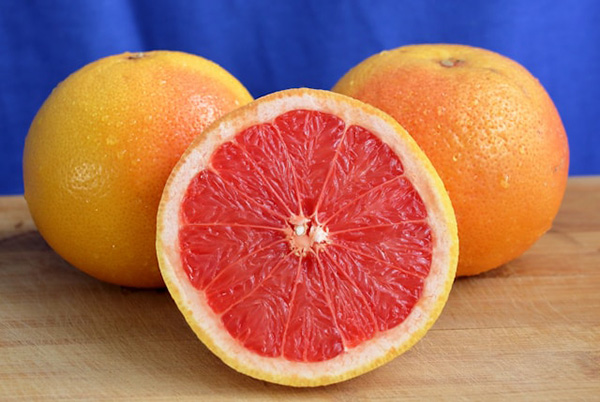
Of course, every variety of grapefruit and pomelo is a little bit different. Red grapefruits like the Rio Red and Star Ruby are extra sweet and juicy, while white varieties like the Marsh have a more balanced, sweet-tart flavor. (You can find both in The FruitGuys’ fruit mixes during citrus season, especially on the West Coast!)
Pomelos and grapefruits are both healthy snacks full of Vitamin C, fiber, and antioxidants. Here’s a quick look at how pink and red grapefruits and pomelos compare according to United States Department of Agriculture nutrition data.
Pomelos and grapefruits are both low-calorie snacks, so they’re easy to fit into a healthy diet.
Pomelos and grapefruits are full of heart-healthy potassium, which helps regulate your blood pressure.
Like their citrus cousins, both of these extra-large fruits are high in Vitamin C. Snack on them to strengthen your immune system.
The fiber in grapefruits and pomelos will keep your digestion running smoothly. It also helps you feel full and satisfied.
Grapefruits and pomelos also feature other healthy vitamins, minerals, and phytochemicals. Pink and red grapefruits contain lycopene, flavonoids, and beta carotene, which help prevent diseases like cancer and boost your heart and eye health. Pomelos have similar benefits, getting a health boost from lycopene and the antioxidants naringenin and naringin, two antioxidants common in citrus fruits that help protect against cancer.
Grapefruits and pomelos are both very healthy, but they also contain compounds that can interact with certain medications, particularly statins. If you eat grapefruit while you’re on these medications, they may not absorb correctly. Always consult your healthcare provider if you’re taking statin medications before you dig into a grapefruit—no matter how delicious it might be.
Don’t be intimidated by the size of pomelos and grapefruits. They’re both easy to eat! You can peel one like an orange and eat it segment by segment, or slice it in half widthwise and scoop out the flesh with a spoon. Some pomelo varieties are harder to peel than others. If yours is stubborn, try slicing off the pointed top and scoring the rind vertically with a knife in several places, then pulling the skin and pith away to unearth a delicious mid-day snack.
Both grapefruits and pomelos are delicious in fruit or veggie salads, too, like this Chickpea Salad with Grapefruit and Fennel and this Pomelo and Kiwi Fruit Salad. Grapefruits are also excellent when juiced. Squeeze one into a glass of sparkling water and sip on your sophisticated beverage while you work.
This article may be called “Pomelo vs. Grapefruit,” but it isn’t a snack competition! Both of these citrus fruits are tasty and healthy. If you’re a fan of sweet-tart and bitter flavors, grapefruit may be your go-to. And if you want an extra boost of potassium and Vitamin C, pomelo is your personal winner.
We recommend trying them both. Grab one of each, slice them in half, and dig in with a spoon for a taste test. Which do you like best?