
On April 22, Steve Frecon of Frecon Farms in Boyertown, Pennsylvania, woke up to a disaster. Overnight, the temperature had dropped to as low as 20 degrees F in some parts of his orchard. That cold snap was the second one in three weeks. It froze the flowers and young fruits on his peach, plum, apple, and cherry trees—destroying at least half of every crop.
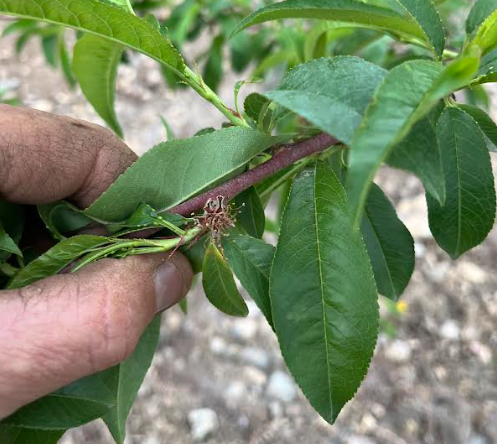
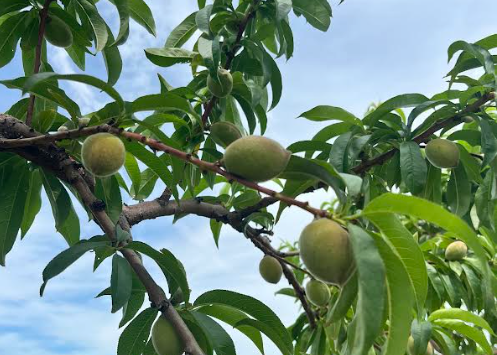
Steve lost half of his peach crop and all of his cherries and plums. The only reason he didn’t lose more peaches, he said, is because he farms on steep slopes. The hills kept the cold air moving and saved the fruit at higher elevations.
“Around the elevation of 500 feet and above, we have fruit. Below, we have minimal fruit. Down in the 400-foot range, in our acres of peaches and even some acres of apples, there’s just no fruit at all,” he told The FruitGuys. “… My dad said that in the 80 years he’s been farming this farm, he’s never seen anything like this.”
The cold weather caused damage across a wide swath of the East Coast and even into the Midwest and South. Farmers in thirteen states faced “catastrophic damage,” according to the United States Department of Agriculture—and there might still be more to come. Steve said he won’t know the true toll the freeze took on his apple orchards until June. If the cold snap damaged the sexual organs inside the flowers and young fruits, the trees could still reject them.
“The fruit tree will recognize that fruit with no seeds inside is not viable and have the natural response, which is to abort that fruit and throw it off in the month of June,” Steve explained. “I’m nervous that a lot of the fruit we still see in the orchard may be aborted. It’s too early to tell.”
The back-to-back cold snaps were devastating, but they were also normal. Below-freezing temperatures aren’t that unusual in Pennsylvania in the spring. What was unusual was the hot weather that came in March, before the freezes. On Steve’s farm, 90-degree temperatures woke up the trees and pushed them to bloom and set fruit way ahead of schedule.
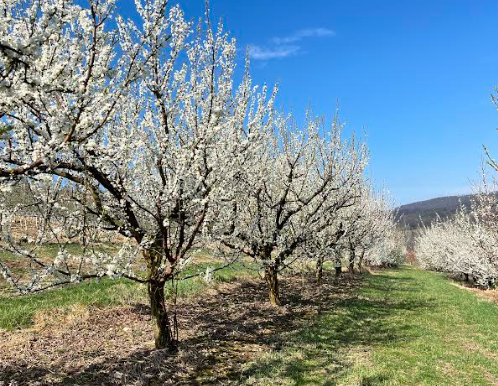
“Everyone was looking around and saying, ‘This is so nice, these nice warm temperatures!’ but those of us in the fruit business were going, ‘This is setting us up for catastrophe’—and that’s exactly what happened,” Steve said.
Closed buds could have survived the 20-degree temperatures, but flowers and fruit didn’t stand a chance. The rollercoaster of heat and then cold was like a one-two punch.
If you live on the East Coast, odds are you’ll see far fewer local berries and stone fruits this summer. Local farmers may have small crops or no crop at all. Steve also told us you may see more fruits with cosmetic imperfections—like a smaller size or frost ring—because that’s all farmers have to sell.
Without a strong crop of local fruit, grocery stores will likely turn to fruits from other parts of the country (like California and Washington) or to imported items. Lower supply could also drive up prices, and Steve expects the ripples to last all the way into next year.
“With a lighter crop, there’s going to be less availability of apples into the spring of 2027. So the duration of the impact is fairly long,” he said.
The lack of fruit is a bummer for farmers market shoppers, but it’s much worse for the farmers themselves. Farmers are always at the mercy of the weather. They take preventive steps to protect themselves from losses, like overcropping (leaving more fruits on the tree than they ultimately need), spraying their crops with water before freezes, and even lighting fires in their orchards on cold nights, but those methods aren’t always enough to protect against this level of disaster.
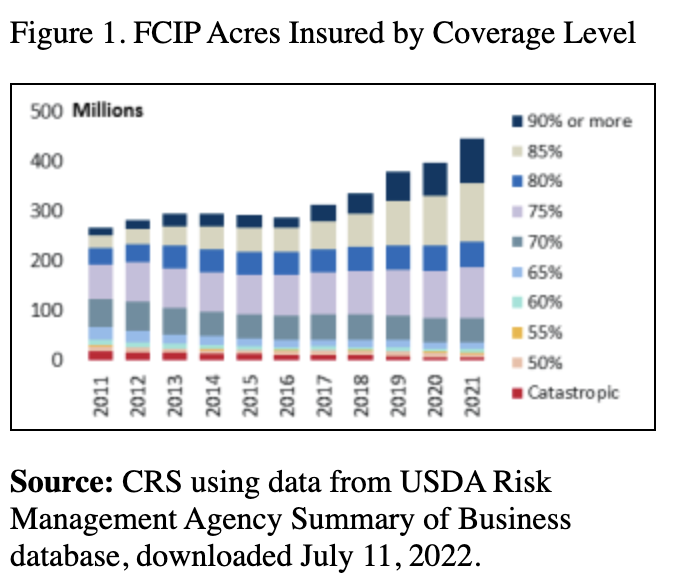
Crop insurance is another type of safety net. Steve carries Catastrophic Risk Protection for his peaches and additional coverage for his apples. This may be the first year he needs the Catastrophic policy, which only kicks in if he loses more than 50% of his crop. He feels lucky that he can afford the expensive premiums when many small farms can’t. However, he said, the insurance isn’t full or speedy compensation.
“It’s not like auto insurance or homeowner’s insurance where you get a full replacement of what you lost,” he explained. “It’s just barely enough to keep you alive until next year.”
It’s also slow to pay out. To accurately assess the damage, the insurance company needs to wait until the harvest is over, then assess its size and quality. Steve estimates that he won’t see a check until February of 2027 at the earliest. In the meantime, not only will his income drop without cherries, plums, and peaches to sell, but he’ll also likely need to spend more money than usual to care for his damaged trees and have workers hand-thin his remaining crops.
On May 26, the U.S. Secretary of Agriculture Brooke L. Rollins signed a disaster declaration for seventeen Pennsylvania counties. She said in a press release that it was “a first step forward to help agricultural producers access emergency loans and programs in the aftermath of freezing temperatures.” However, Berks County—where Frecon Farms is located—didn’t make the initial list. Steve hopes that will change soon.
“We’re hoping the federal and state governments will step in to help industry in this time of need,” he said. “If they don’t, there’s going to be a lot of farm default. Most farmers run themselves out of money by mid-summer, and when crops start coming in mid-summer, they start to recoup some of what they’ve invested for the year. Without those crops coming, they have a financial disaster on their hands.”
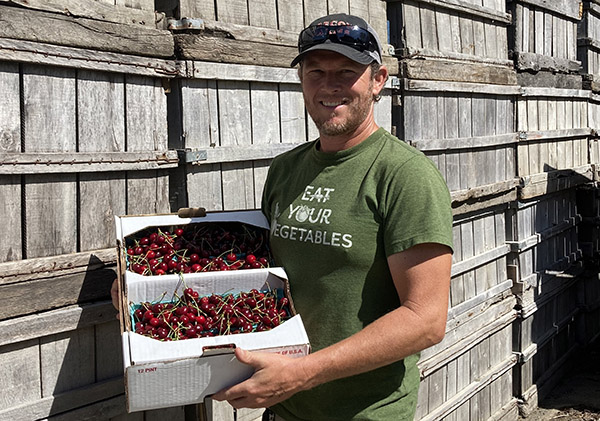
The best way to help your local farmers is to buy the fruit they have directly from them, even if it’s smaller than usual or has cosmetic imperfections. Your support could be the difference between your favorite local farms going out of business or making it to harvest another year!
The second-best way to help is to order fruit from businesses like The FruitGuys that prioritize flavor over appearance and support small farms like Frecon Farms in good times and bad. You can also donate to nonprofits that support small farms financially, like The FruitGuys Community Fund. As cliché as it sounds, every dollar truly helps.