
Grapes are a fat-free, low-calorie snack. A cup of grapes is only around 100 calories. Grapes of all varieties are high in vitamins C and K and contain potassium and fiber.
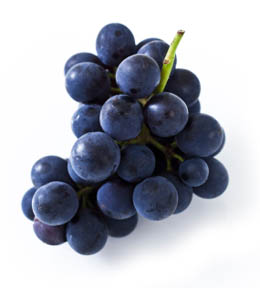
With their deep purple-to-black skin and sweet flavor, black grapes are among nature’s most striking fruits. They’re bursting with juice and loaded with antioxidants, and people have treasured them for thousands of years.
From classic Concords to elegant Moon Drops™, black grapes bring color and variety to the office fruit bowl—and you can often find them in The FruitGuys’ Harvest and Season’s Best fruit mixes in peak season. Let’s explore their history, seasonality, flavor, health benefits, and how to store them next time you have a bunch delivered.
Black grapes are a historic crop, likely dating back more than 6,000 years. Ancient Egyptians painted them on tomb walls, and Greek pottery often depicted grape clusters destined for wine. (One ancient Egyptian necklace that may have been worn by King Tut’s father even has eighty-three beads shaped like bunches of grapes.)
Over centuries, grapes spread across Europe and the Middle East, eventually becoming central to winemaking and cuisine worldwide. Today, black grapes remain a staple of both traditional vineyards and everyday snacking.
Peak season for grapes is late summer through early fall, but enough varieties fall outside that window that The FruitGuys can often offer them for delivery from May through December.
Thanks to global production in California, South America, and Southern Europe, black grapes are usually available nearly year-round, but nothing beats them fresh in season. That’s when they’re sweetest and juiciest.
Black grapes are full of healthy nutrients. A serving of about 100 grams offers hydration, natural energy, and powerful antioxidants that support your long-term health.
With 17.4 grams of carbohydrates and 16.7 grams of natural sugars per 100 grams, black grapes provide quick fuel for your body and brain. They also deliver 0.7 grams of fiber, which aids digestion and helps regulate your blood sugar.
Grapes are packed with resveratrol and anthocyanins, antioxidants linked to heart and brain health, reduced inflammation, and cellular protection. You can find these healthy compounds in the skins of red and black grapes.
Each serving of grapes contains Vitamin C to boost immunity and protect cells, along with Vitamin A for healthy eyes and reproduction.
Black grapes supply small amounts of calcium and iron to support bone health and circulation.
With their high water content, black grapes help keep you hydrated, and since they’re virtually fat-free, they’re an easy choice for heart-healthy snacking.
Storing your black grapes the right way will help keep them flavorful and fresh. Here are a few helpful tips.
If you follow these directions, your grapes will last up to two weeks! Enjoy them at your desk for a late-afternoon pick-me-up.