

“How do I know if my grapes are fresh?” I get variations on this question a lot when I’m talking with people about fruit. It’s understandable, because it can be hard to tell from the outside if a piece of fruit is ripe and ready, whether it’s a grape or an apple. Our team at The FruitGuys can taste-test things before we buy them, but it’s uncouth for most people to go around the market taking bites of everything! So, you have to use other clues to pick the best items.
The first step to picking something that tastes great is choosing fruit that’s in season. Right now, that means fall fruits like pears, apples, grapes, and kiwi berries. Then, each commodity has its own tips and tricks. Two of my favorites happen to be for fruits available now.
During a podcast interview last week, I shared my top tip for choosing fresh grapes: “The greener the stems, the fresher they are.”
“But the stems are always brown!” said the host in dismay.
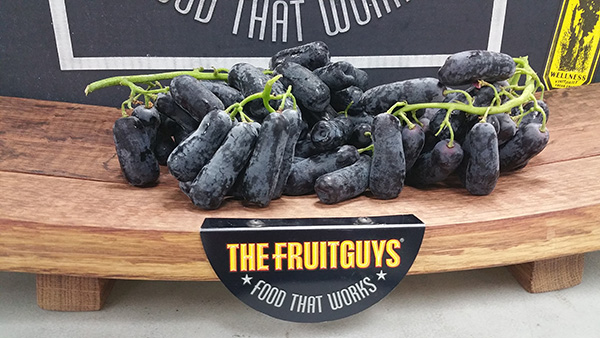
That’s probably true for her, because she doesn’t live near a grape-growing region—and it’s okay! The brown color doesn’t mean the grapes are bad. It just means that it’s been a while since the farmer picked them. If the stems of your grapes look dehydrated or withered, that’s another sign that they aren’t very fresh.
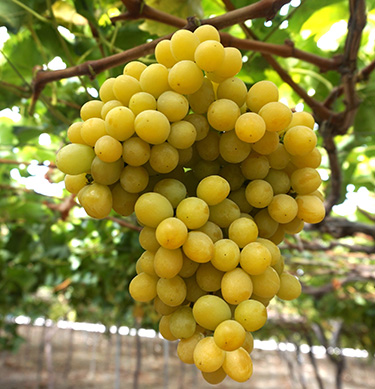
Maybe you’ve heard that you can also look at the color of fresh green grapes. The standard used to be: “If they’re starting to brown, they aren’t fresh.” But that’s not true for all green grapes today. Cotton Candy™ grapes, for example, have a lot of natural sugar in them, and they can be a brownish-yellow color called “amber” because of it.
I’m convinced that many people don’t like pears because they’re eating them overripe. I certainly did for a long time. Then I heard the best tip: To check a pear’s ripeness, gently press around the stem. If that spot has some give to it, it’s ready to eat.
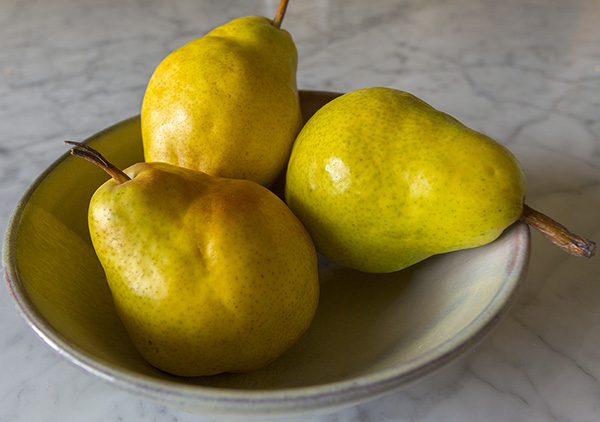
This trick works because pears ripen from the inside out. If you wait until the whole pear is soft, it’ll be too ripe, and you’ll risk eating a mealy pear. Most pears are still fairly hard when you get them in your FruitGuys box, but that’s just to ensure they hold up in transit. Give them a few days on the counter, and they’ll ripen right up. Side note: These pear tips only apply to European pears. Round, crisp Asian pears are picked ripe and arrive ready to eat, like apples.
If you want to speed up the ripening process for a European pear, you can put your pear in a paper bag with an apple. The ethylene gas that the apple naturally gives off will help speed the pear’s ripening along. (You can use the same trick to ripen bananas.) Last but not least, if you’re impatient, go for a Bosc pear. Some pears, like Seckle or French Butter, can taste a bit astringent if you eat them too early, but I think Bosc pears are lovely even if they aren’t fully ripe.
Not every piece will be perfect every time, but with tricks like this, you’ll be snacking like a fruit expert! Check out our fruit ripening and storage tips for more insights.